The First 90 Days
Michael Watkins2003
- Length
- 6h 58m~208 pages
- Read
- Oct 8th - 10th '23
Summary
The first 90 days determine long-term success. Four pillars—business orientation, stakeholder connection, expectation alignment, and cultural adaptation—provide the foundation. Match strategy to situation using STARS (startup, turnaround, accelerated growth, realignment, sustaining success). Secure early wins for credibility, negotiate success with your boss around five topics, and build alliances by mapping influence networks. Fast onboarding is a competitive advantage—learn before you act, align four organizational elements, and build a team you can trust.
Key Takeaways
Notes
1: Prepare yourself
- Balance breadth and depth
- Rethink what you delegate
- Retain comms channels to frontline
- 4 pillars of onboarding:
- Business orientation
- Stakeholder connection
- Alignment of expectations
- Cultural adaptation
- Lateral (other companies) vs vertical conns
- Identifying cultural norms:
- Influence, meetings, execution, conflict, recognition, ends vs means
- Onboarding checklist
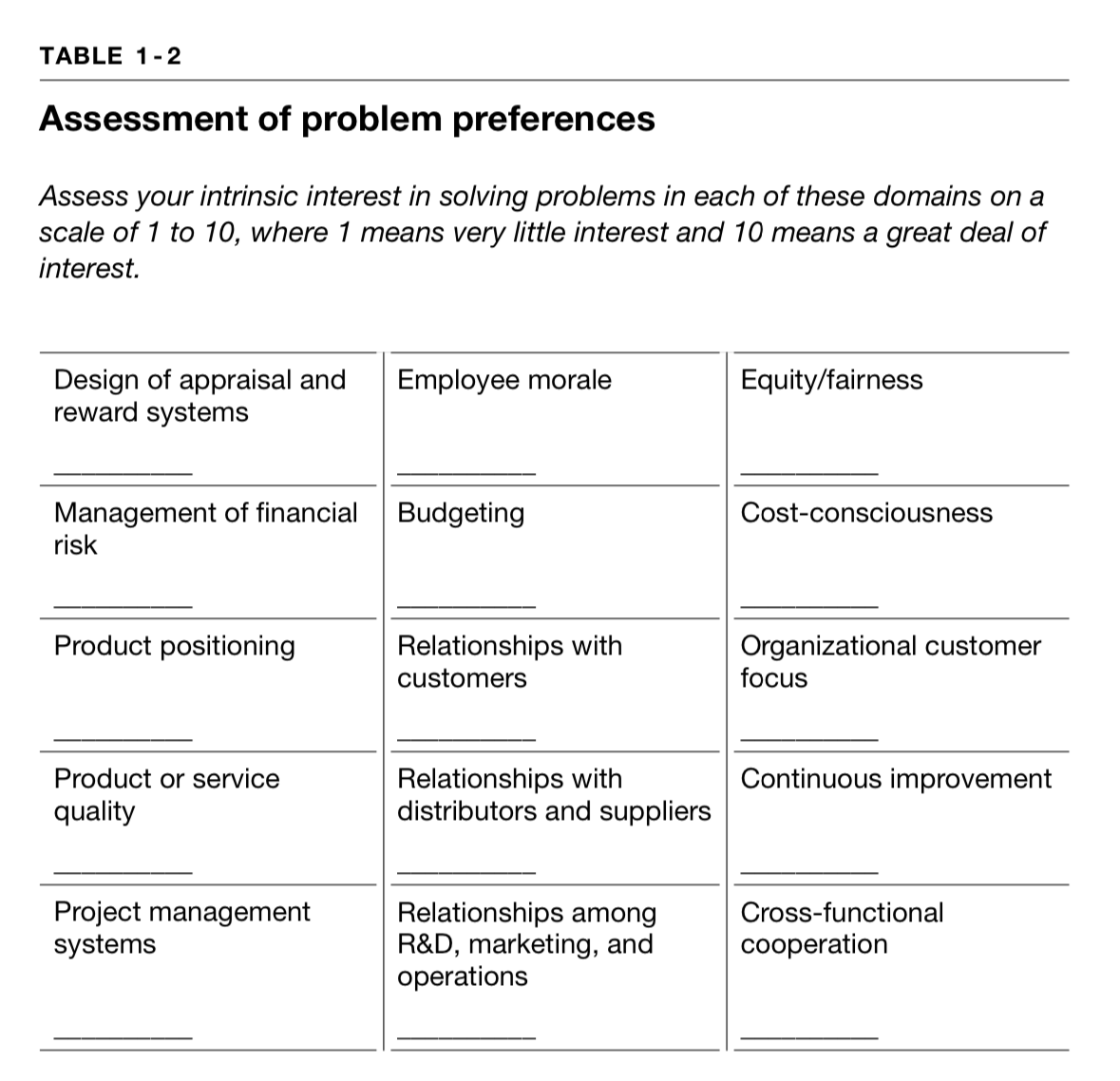
- Assess “problem preferences”*
- Technical, political, cultural
- HR, finance, marketing, ops, R&D
2: Accelerate your learning
- Learning before action
- Identify learning agenda
- Past, present, future
- Questions→ hypotheses
- Ask same set of questions on initial 1-1:
- Biggest challenges org is or will face
- Why ↑?
- Best opportunities for growth?
- What needs to happen for ↑?
- If you were me, what’d you focus on?
- ↑ then present analysis to team
- To assess:
- Company understanding of vision
3: Match strategy to situation
- STARS: know the situation (mix of)
- ↑ startup, turnaround, accelerated growth, realignment, sustaining success
4: Negotiate success
- Be proactive with new boss
- Figure out the 3 things your boss cares about and focus on that
- 5 topics:
- Situational diagnosis
- Expectations
- Resources
- Style: forms of interaction
- Personal development
- Know boss’ personal projects
- Underpromise, overdeliver
- Assess differences in comm style
5: Secure early wins
- Something new, change
- Waves of change
- Build personal credibility:
- Energy, values
- Show willingness to learn
6: Achieve alignment
- 4 elements of org structure:
- Strategic direction, structure, core processes, skill bases
- Mission, vision, strategy: what, why, how
- Customers, capital, capabilities, commitments
- SWOT analysis
7: Build your team
- Team evaluation criteria:
- Competence, judgement, energy, focus, relationships, trust
- Accountability: mix of push, pull tools
- Individual vs team incentives
- Monetary vs non-monetary reward
- Observability, measurability of performance
- Fixed ↔︎ performance-based
- Vision: connect to larger narrative
- Consult + decide vs consensus
8: Create alliances
- Build relationship bank accounts
- Winning + blocking alliances
- Map influence networks / channels
- Sources of power:
- Expertise, control or info, network, resource access, personal loyalty
- Understand motivations, situational pressures
9: Manage yourself
- Analyze your reactions to things
- Always defer commitments (begin with no)
- Structured reflection
- 3 types of advisors: (internal and external)
- Technical, cultural, political
10: Accelerate everyone
- Fast onboarding is a competitive advantage
- Identify critical transitions