The Changing World Order
Ray Dalio2021
- Length
- 16h 48m~554 pages
- Read
- Aug 5th - Sep 6th '22
Summary
Ray Dalio takes a quantitative approach in explaining how the world works through the struggle to make, take, and distribute wealth and power among empires, providing universal principles for dealing with the cycles that accompany these trends. He compares and contrasts the United States’ downwards trend with China’s present rise as a world power, including how both empires function and the implications of a conflict between the two superpowers. Finally, Dalio frames this learning into an investment context, urging one to bet on continued evolution despite contemporary blips and focus on knowing how to deal with what is not known by keeping oneself in the race through diversification.
“Whatever success I’ve had has been more due to my knowing how to deal with what I don’t know than anything I know”
“The Americans hold the individual above all else while the Chinese put the family and the collective above everything”
“During periods of great crisis, more autocratic control and less democratic leadership tends to be preferred”
“The abilities of both computers and humans will improve at an increasing pace. Perhaps most importantly, advances in and the wider use of quantum computing with AI will lead to unimaginable advances in rates of learning and improvement and changes in global wealth and power. These changes will occur in varying degrees in the next five to 20 years, but I believe they will add up to the greatest shift in wealth and power that the world has ever seen. Quantum computing with AI will be to traditional computing what the computer was to the abacus, providing humanity with vastly more power.“
Key Takeaways
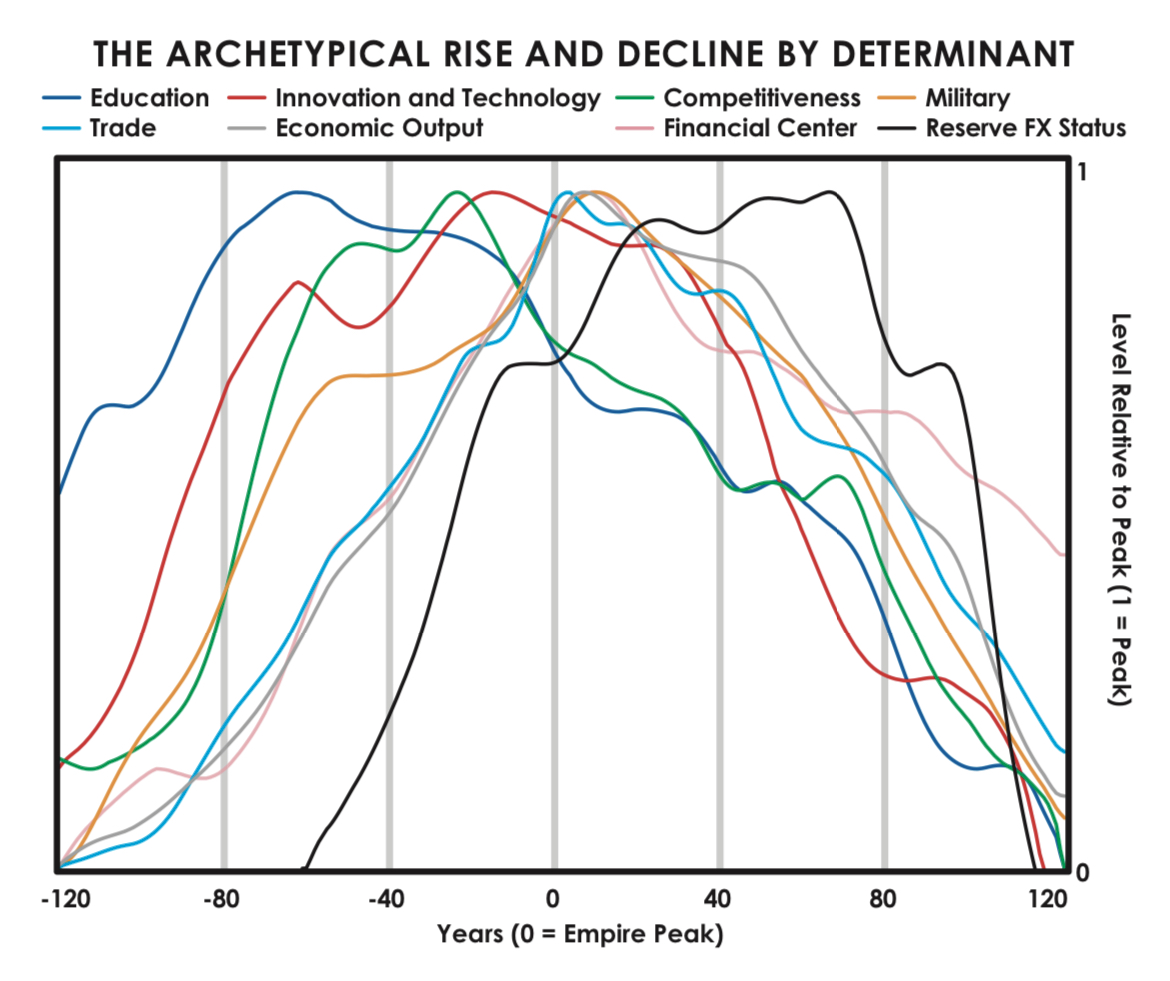
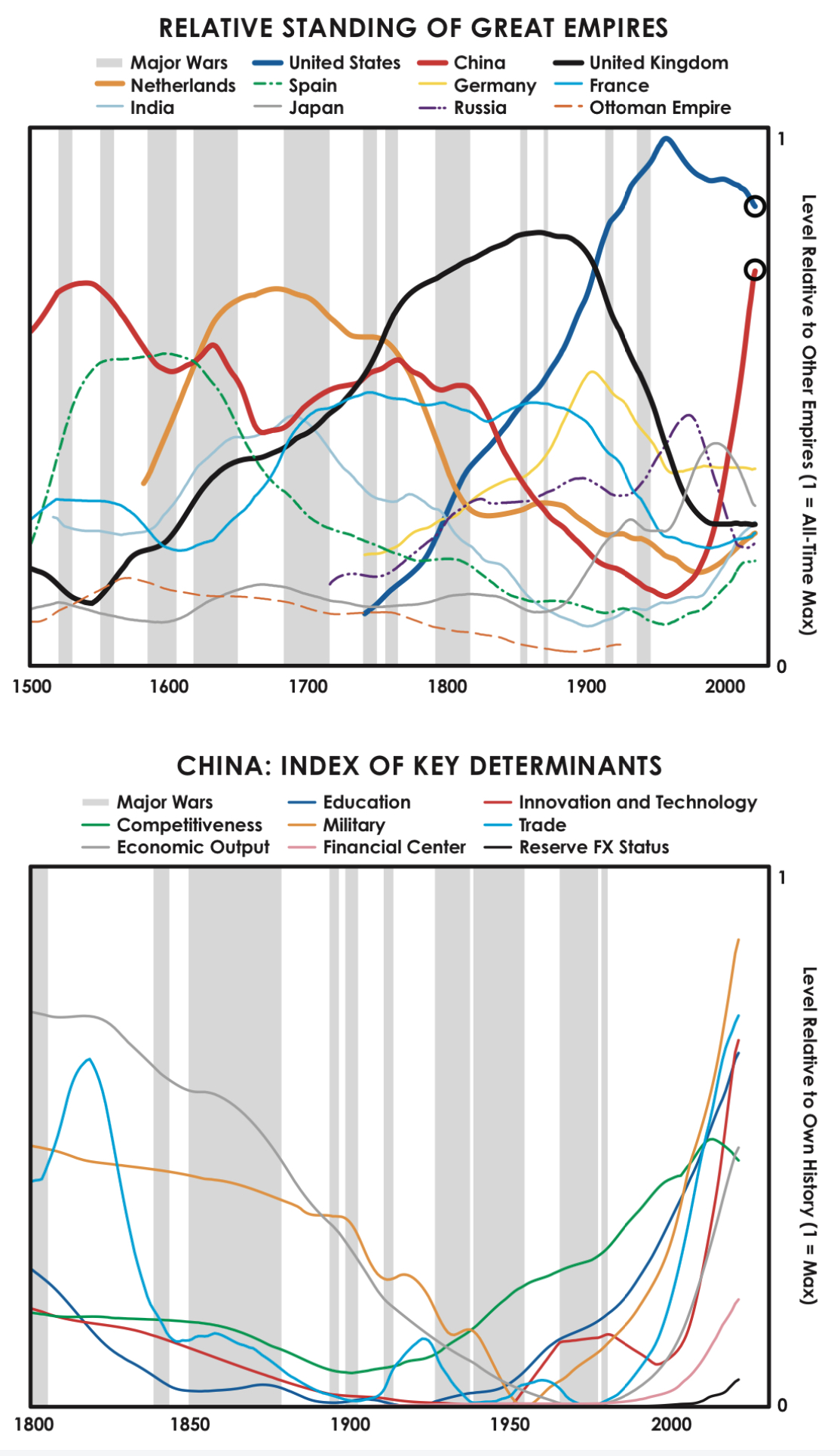
- 8 key determinants: education, competitiveness, innovation + tech, economic output, share of world trade, military strength, financial center strength, reserve currency status
- Cycle of generations with different outlooks on life, economy, politics, war due to lived historical bias
- Short- (8 years) and long-term (75 years) debt cycles are inevitable
- Three big factors for governance:
- Bottom up, democratic, or autocratic (top-down) decision making
- Capitalist ← socialist → communist ownership of production
- Individualistic or collectivist
- China: Autocratic democratic centralist system, socialist market economy
- Wise leader > democratic people rule
- Believe democracies slip to anarchy during bad times
- Government support of companies → big data → winning in technology
- 35% est. likelihood of US China war in next decade
- Decoupling: China and US cutting trade, relying on domestic production
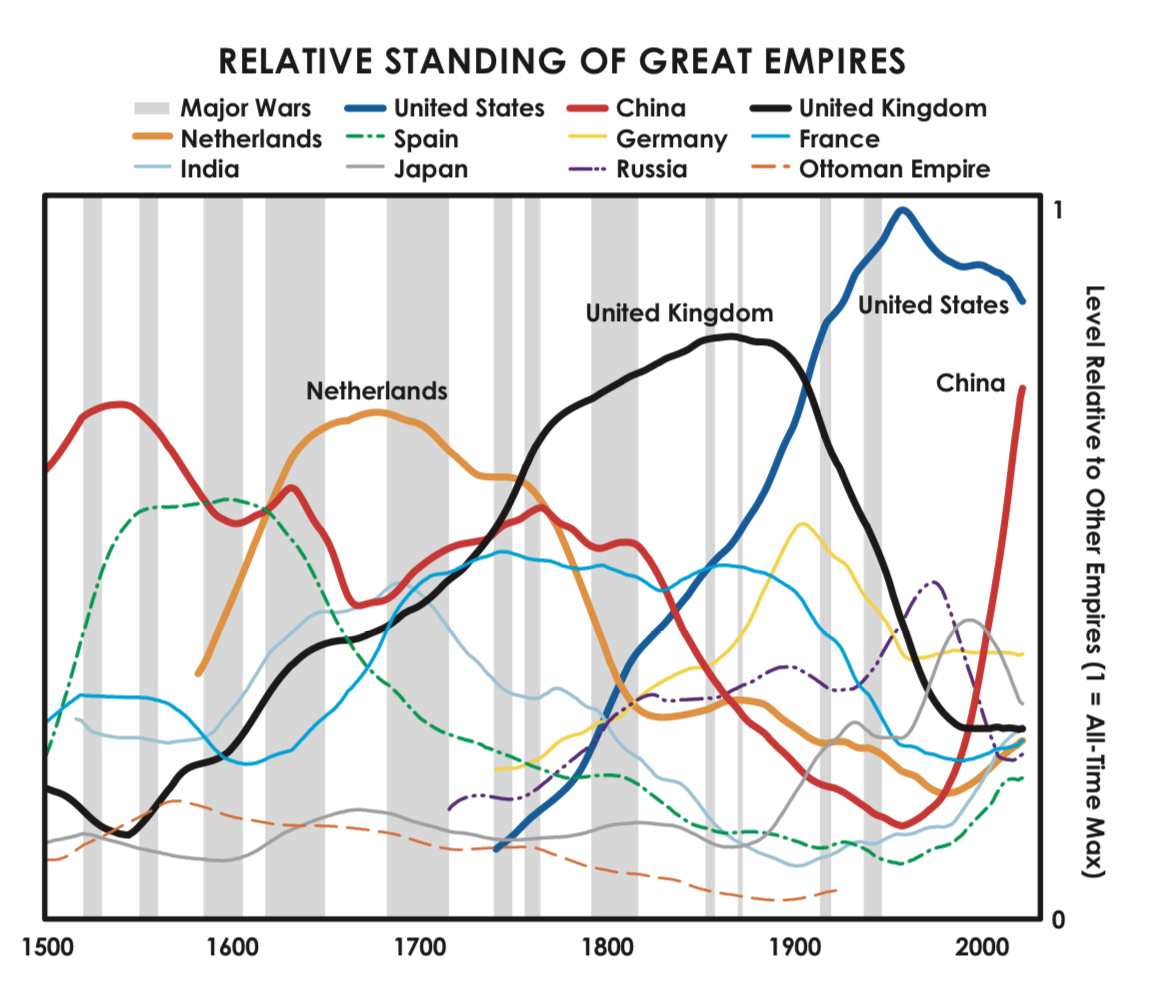
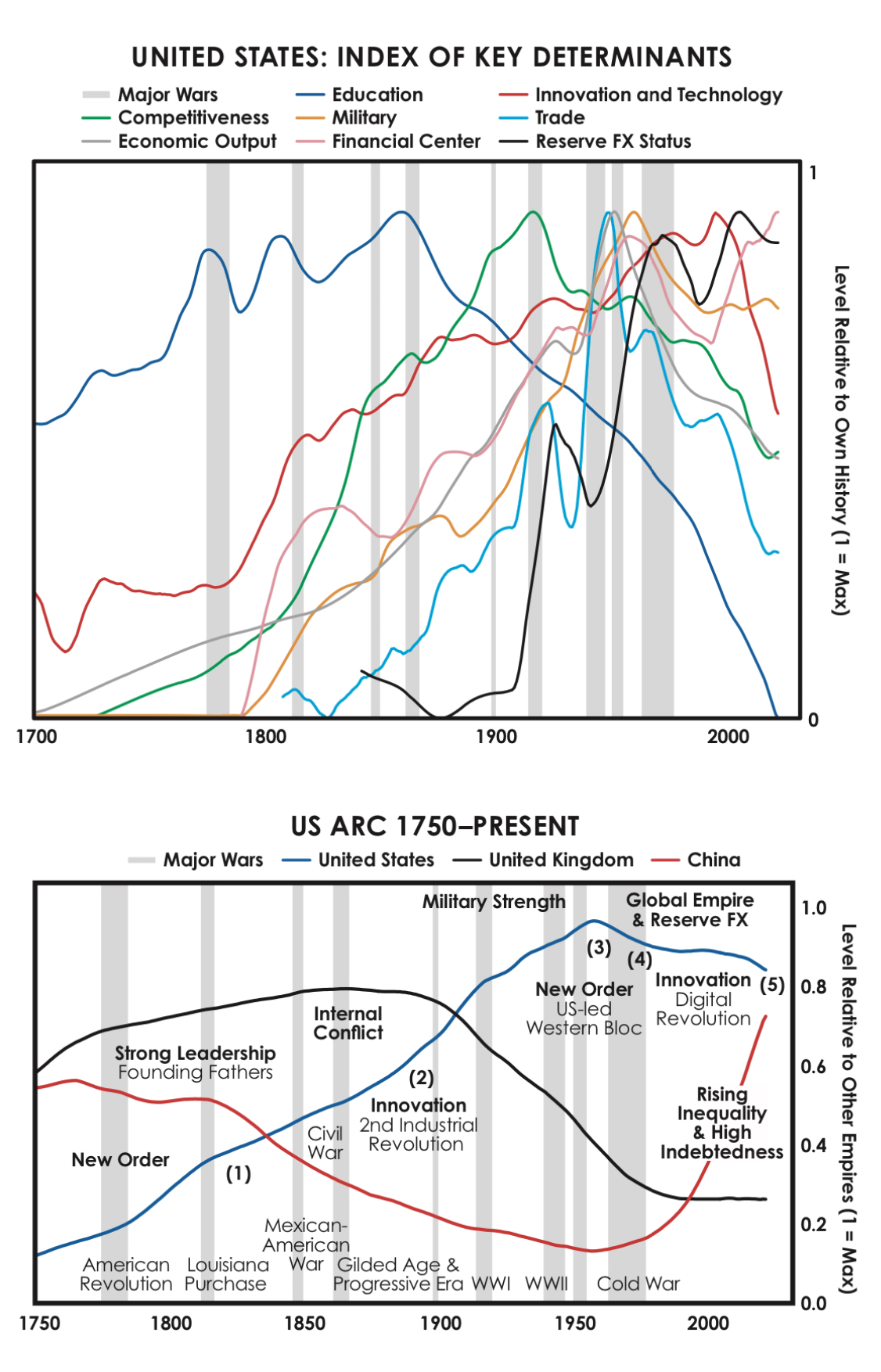
- US on the way down, China on the way up
- Mutually assured destruction (MAD) biggest deterrent as of now
- Taiwan is most likely impetus
Notes
Introduction
- Cycle of generations with different outlooks on life, economy, politics due to lifespan and bias towards recent historical events
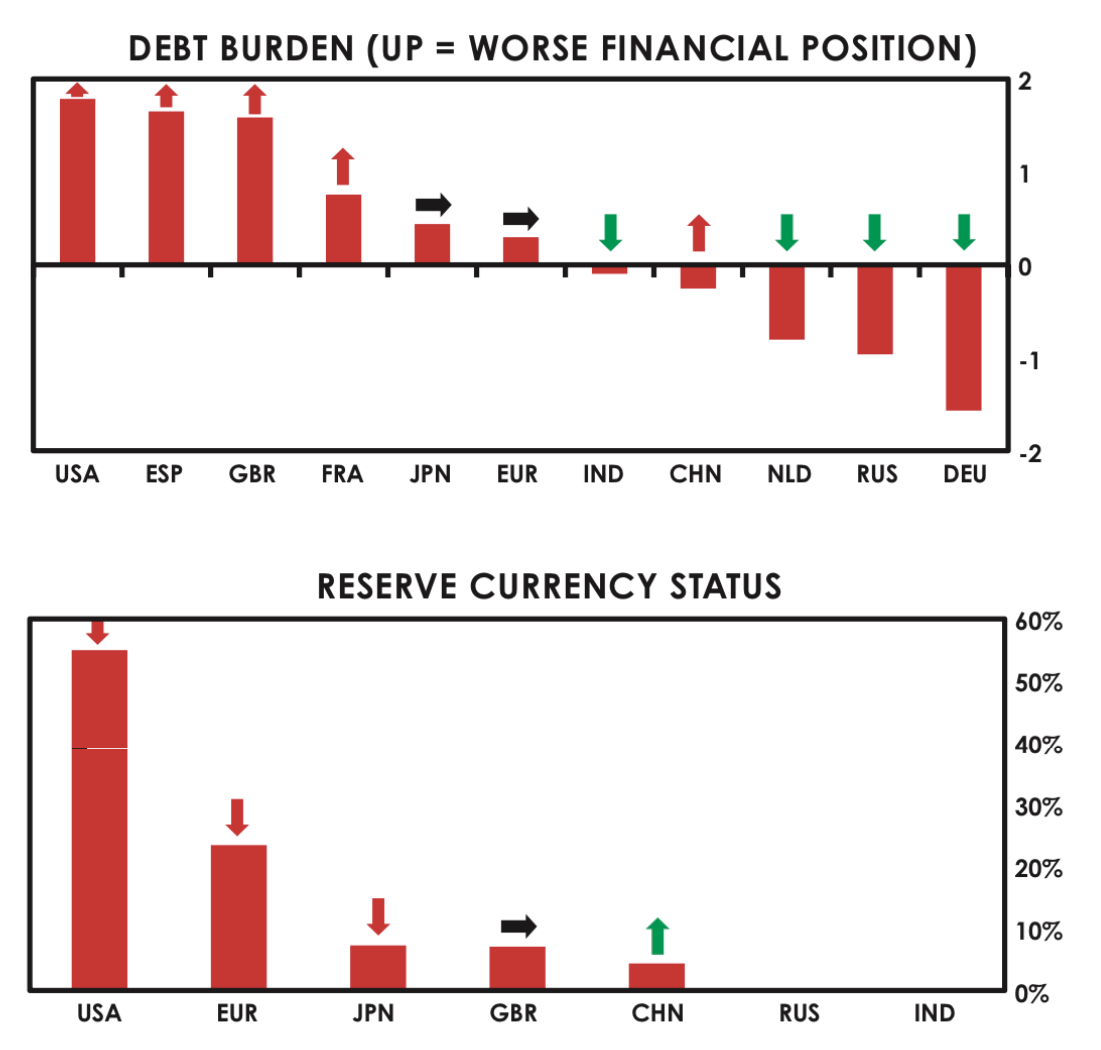
- Reserve currency: accepted around the world for transactions and savings
1: How the world works
1: The big cycle
- Biggest struggle: Make, take, and distribute wealth and power (ideology + religion)
- 3 most important cycles:
- Long-term debt + capital market cycle
- Internal order/disorder cycle
- External order/disorder cycle
- 8 key determinants:
- Education, competitiveness, innovation + tech, economic output, share of world trade, military strength, financial center strength, reserve currency status
2: The determinants
- Internal (domestic), external (international), and world orders
- Inherited determinants:
- Geography
- Geology: natural resources
- Acts of nature: epidemics, disasters
- Genealogy: <15% of behavior
- Human capital determinants:
- Self-interest
- Drive to keep wealth and power
- Capital market
- Ability to learn from history
- Multigenerational psychological cycle
- Short- vs long-term gratification
- Inventiveness
- Culture
- Openness to global thinking
- Leadership: a few people make all the difference
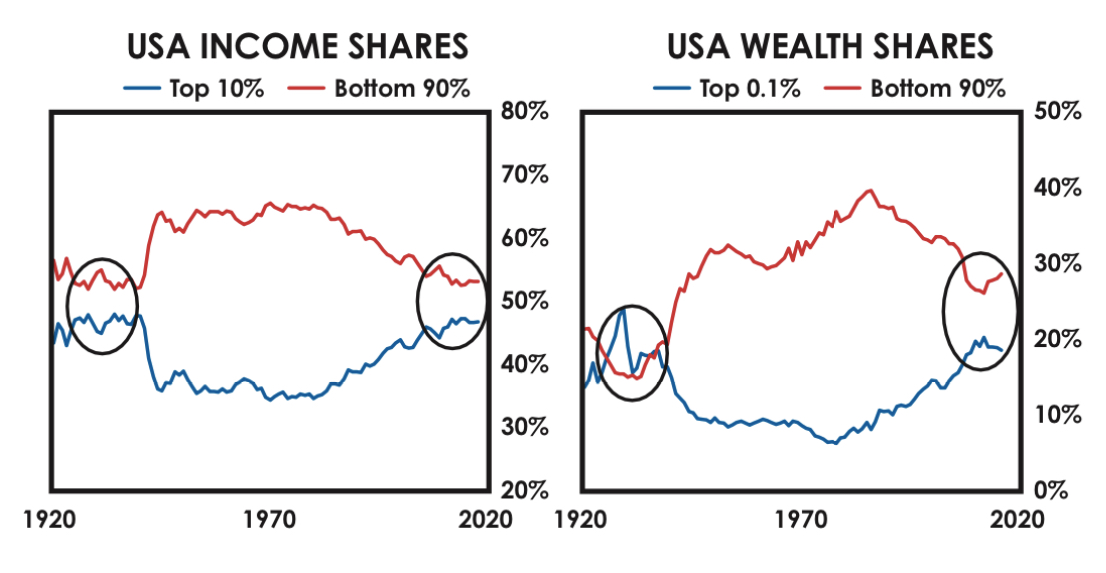
- Wealth gaps
- Values gaps: eg. religion
- Class struggles
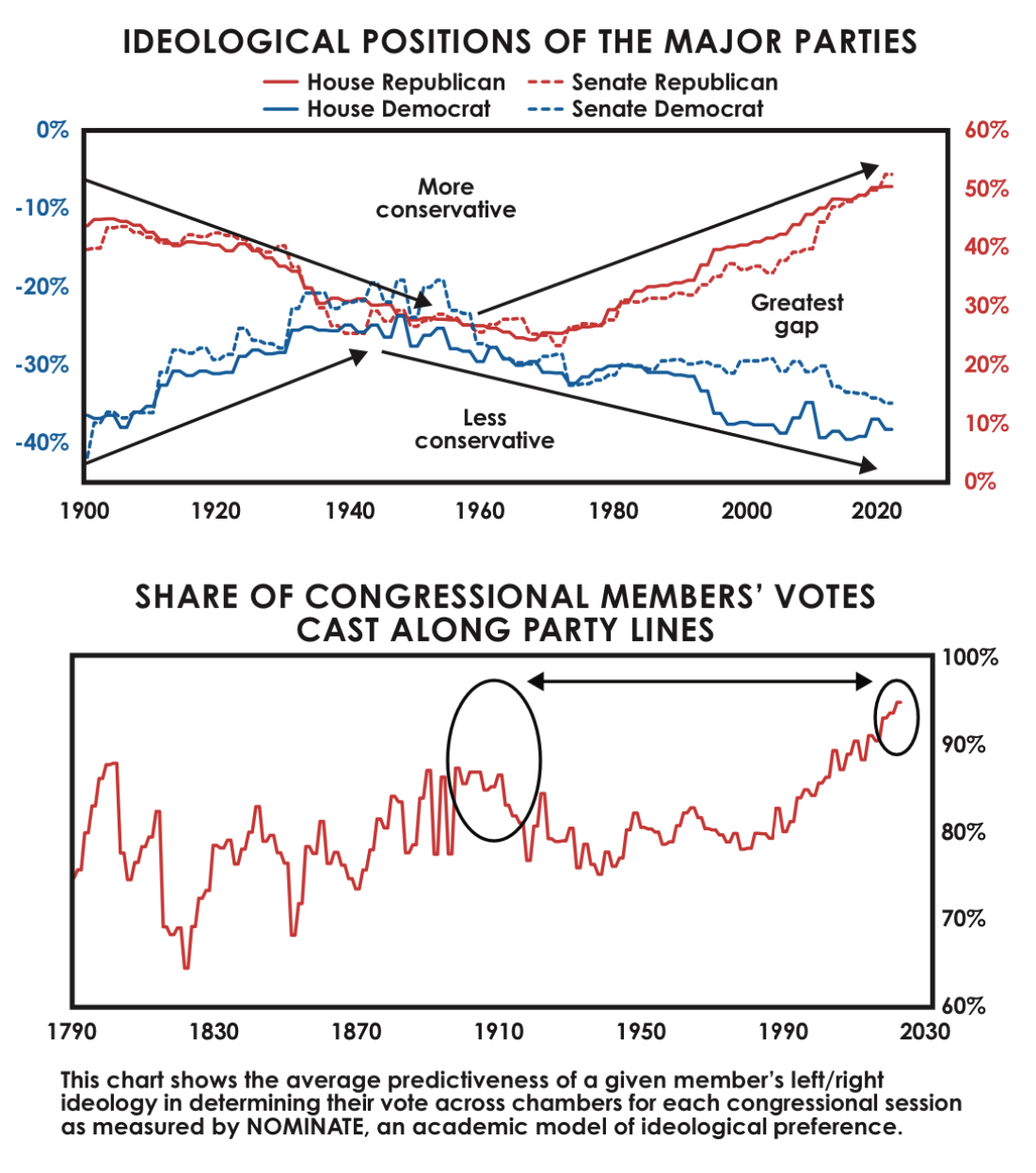
- Political left/right cycle
- Prisoner’s dilemma must be solved
- Win-win or lose-lose relationship
- Big balance of power cycle
- Military strength, peace/war cycle
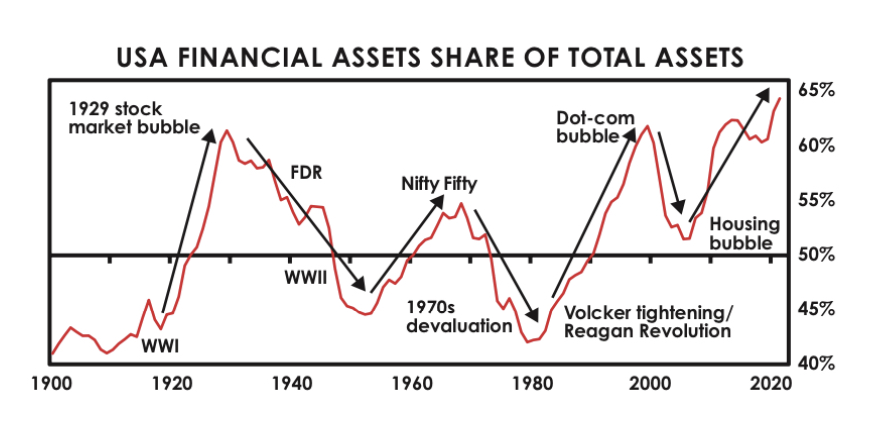
3: Cycle of money, credit, debit, Econ. activity
- Sum of all people’s economic status, beliefs most important determinant
- Being a reserve currency: immense buying power and geopolitical power
- Real vs financial economy
- Short term (8 years) and long term (75 years) debt cycles
- 6 phases:
- Money is hard: return to basic stores of wealth eg gold
- Claims on hard money: low velocity → debt money, linked currency (banks)
- Increased debt: credit + debt → bank, lender profits
- Debt crises, defaults, and devaluation. Need to print money to prevent deflation
- Fiat → debasement to decrease obligation to repay hard money
- Selling of debt assets + bank run → return to hard money
4: The changing value of money
- Not concerned enough about value of money rather than value of assets
- Monetary devaluations are abrupt and episodic
- Currencies never last forever
5: Cycle of internal order and disorder
- Governing systems that effect internal order and disorder
- World order depends on where countries are in their internal cycles
- Can alleviate debt by either increasing taxes, reducing spending, printing money
- Success requires benefiting majority of people, tightening earning gap
- Populism and polarization are markers of declining power → civil war, revolution
6: Cycle of external order and disorder
- Countries have had more power than external orders, thus still drive direction
- Trade, tech (patents), geopolitical (territory, alliances), capital (debt etc), military wars
- Power must be used wisely
- Three big factors for governance:
- Bottom up, democratic, or autocratic (top-down) decision making
- Capitalist ← socialist → communist ownership of production
- Individualistic or collectivist
- Fascism: autocratic, capitalist, collectivist
7: Investing in light of the big cycle
- Markets primarily driven by 4 determinants:
- Growth, inflation, risk premiums, and discount rates (present values)
2: World over last 500 years
8: Last 500 years in a nutshell
- Overview of the progression of world powers, from China to Netherlands to UK to US
9: The Dutch empire
- Became first reserve currency
- Dutch East India company: mega corp that accounted for 1/3 of world trade at peak
- Amsterdam stock exchange in 1602 to spread share of risk
- Slow decline as they lost competitive edge with dominance
10: The British empire
- 2.5% of population, 20% of world output
- Innovation, literature, democracy
- First industrial revolution
- French could’ve been next great power but internal and external conflict extinguished
- Devaluation of Pound during WWII led to transition to regional reserve currency
- Sterling agreement of 1968
- EU formation: customs union that continued to expand in power
11: US and the Dollar
- Rise:
- Coordinated group of leaders fought to gain control
- Won and consolidated control
- Vision supported by population
- Factions that split over how to implement that vision
- Figured out system to implement vision and control (Constitution)
- Set up the parts of government (monetary, legal, military, etc)
- Put people in jobs and made it work well
- Bretton Woods system
- Status of reserve currency → spending too much on wars, space, and war on poverty
- Stagflation
- 1971: world moved to type 3 monetary system de-pegged from hard assets
12: China and the RMB
- 5-year plans with goals
- Objective to make economy 2x US’s
- “The Americans hold the individual above all else while the Chinese put the family and the collective above everything”
- Two currencies in 1930s: local fiat and global gold-backed currency
- RMB: Chinese fiat currency in 1948, pegged to dollar until 1971 inflation, 2005
- Century of humiliation:
- Not strong leadership
- Not sound finances
- Internal rebellions
- Fighting foreigners
- Disruptive acts of nature
- Capitalism vs Marxism Leninism: naively where resources are distributed from each according to his abilities to each according his needs
- Doesn’t produce much due to lack of need to be inventive or efficient
- ’49-’76: The foundation
- Communist PRC in 1949
- China (Mao) and USSR (Stalin) formed alliance
- 1971: US China agreement to give seat on UN Security Council, recognize unified China with Taiwan
- 1980: 70-year economic plan
- ’78-’12: Deng and successors gain strength through economic reform, opening up
- Socialist market economy
- Politburo Standing Committee: Appointed leaders (Chinese cabinet)
- 1982: Chinese constitution: term limits, democratic centralist, more freedoms
- Economic arbitrage of opening up
- Broke “iron rice bowl”, switched to more incentive-based system
- 1989 move to democratize: Tiananmen Square massacre
- “During periods of great crisis, more autocratic control and less democratic leadership tends to be preferred”
13: US China relations and wars
- Objections to handling of economy:
- Pursues a wide range of interventionist policies and practices aimed at limiting market access for imports, shielding domestic industries
- Offer significant government guidance, resources, regulatory support to industries
- Stealing IP, with some of it believed to be state-sponsored
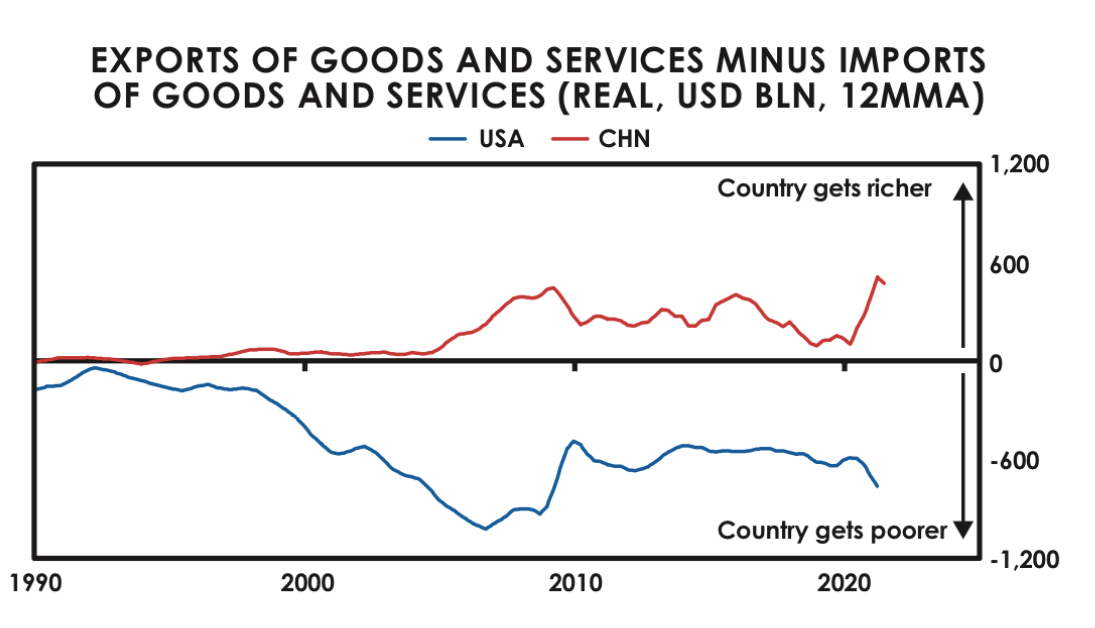
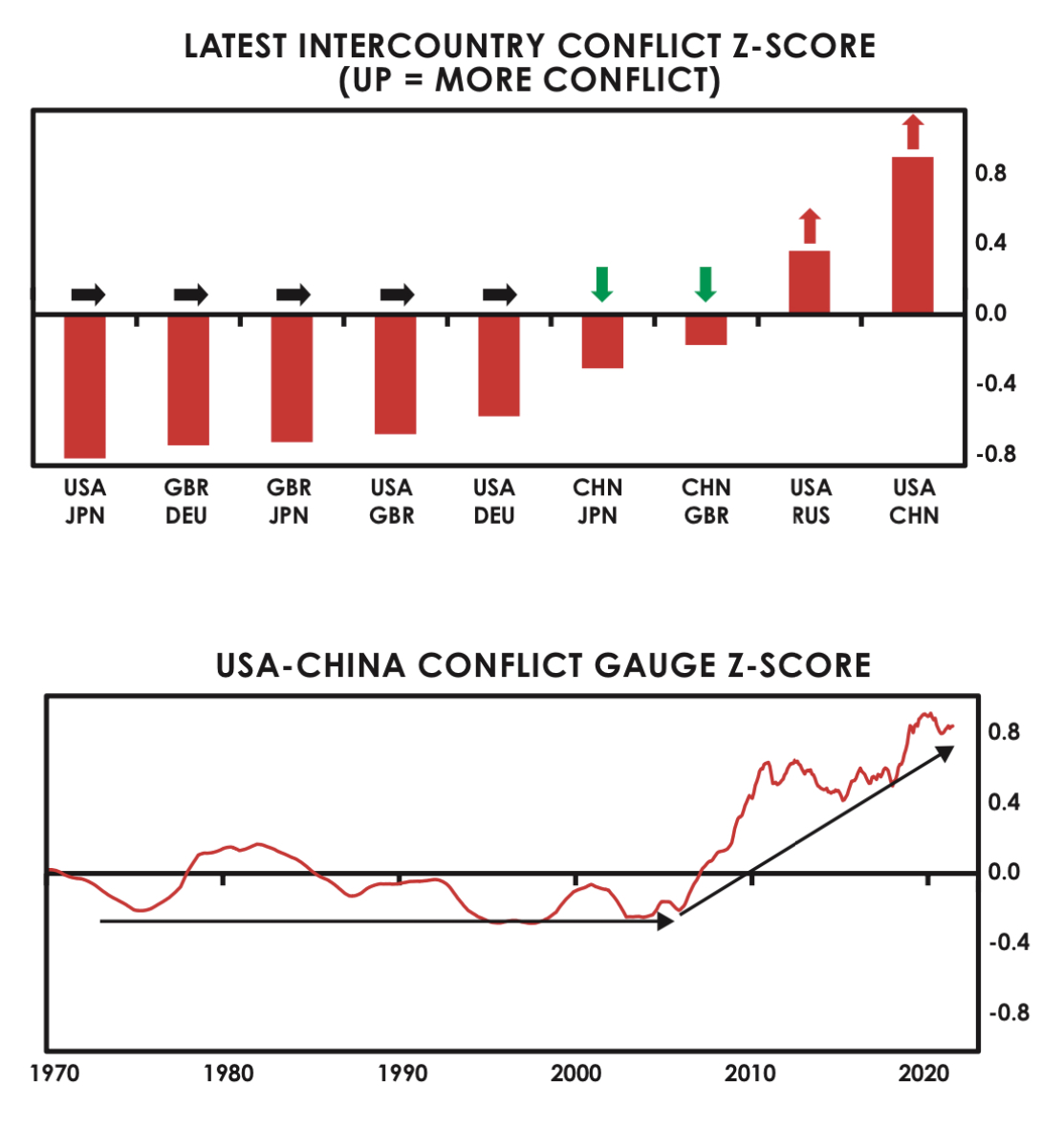
- Decoupling: China and US increasingly cutting trade, relying on domestic prod.
- Reserve currencies: 51% USD, 20% Euro, 12% gold, 6% Yen, 5% Pound, 2% RMB
- Military, cultural, ourselves (internal) wars
- US and China have deeply embedded, opposing value systems
- China:
- Wise leader > democratic ppl rule
- Believe democracies slip to anarchy during bad times
- Government support of companies → big data → winning in technology
- Eg. Daryl Morey NBA as example of holding individual (US) vs group (China) responsible
3: The future
14: The future
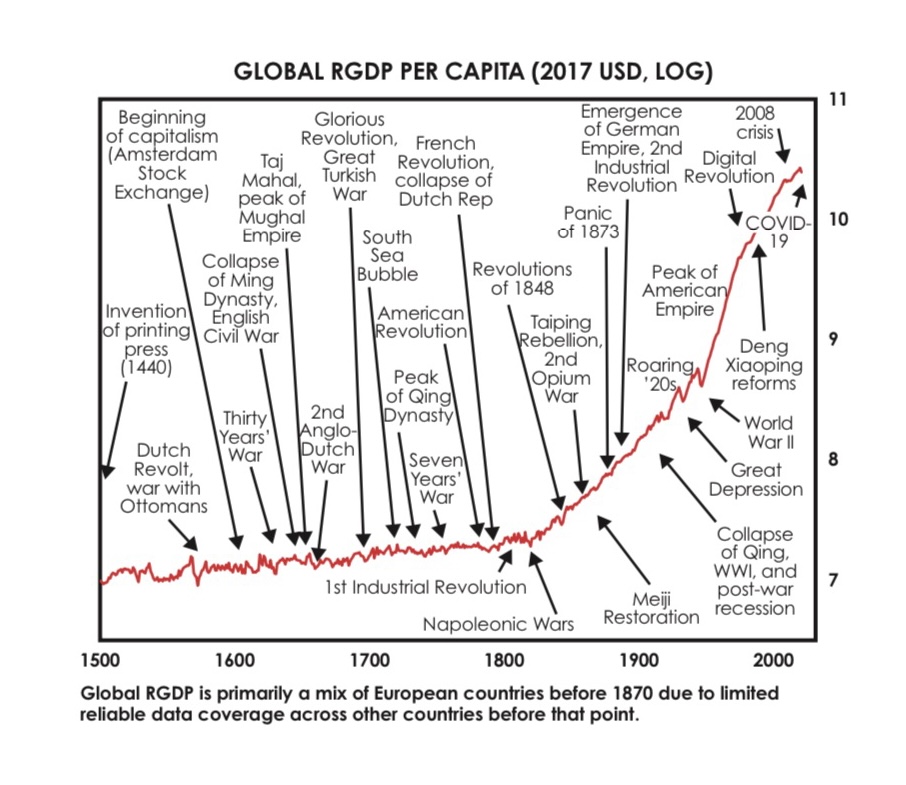
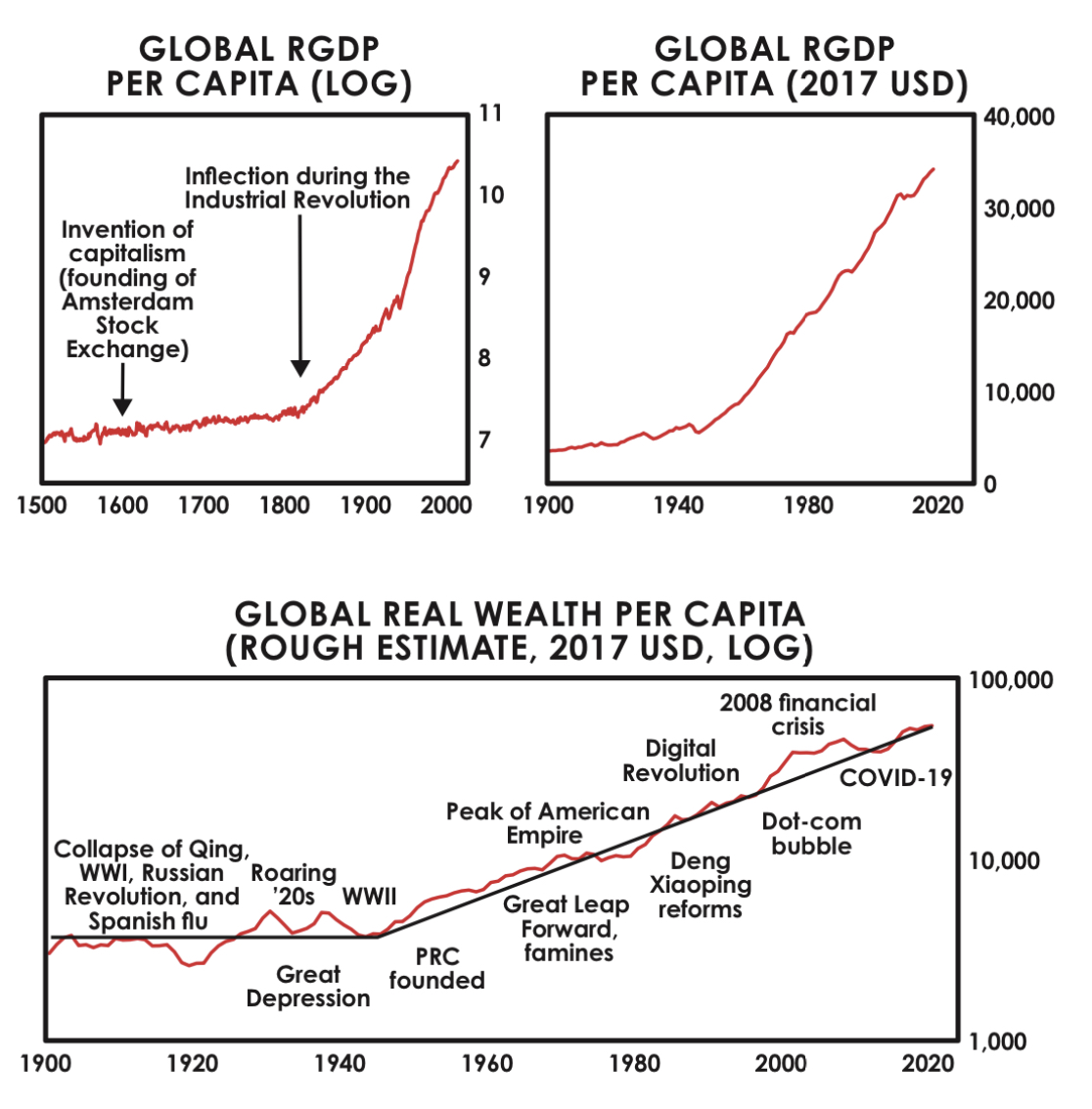
- Long-term trends in population, GDP, life expectancy etc. extrapolate well but we get bogged down by contemporary blips
- Bet on continued evolution
- Estimated likelihood of US China war in next decade: 35%
- Mutually assured destruction (MAD) biggest deterrent as of now
- Taiwan is most likely impetus
- “Whatever success I’ve had has been more due to my knowing how to deal with what I don’t know than anything I know”