Plays Well with Others
Eric Barker2022
- Length
- 6h 55m~304 pages
- Read
- Dec 30th - Jan 1st '23
Summary
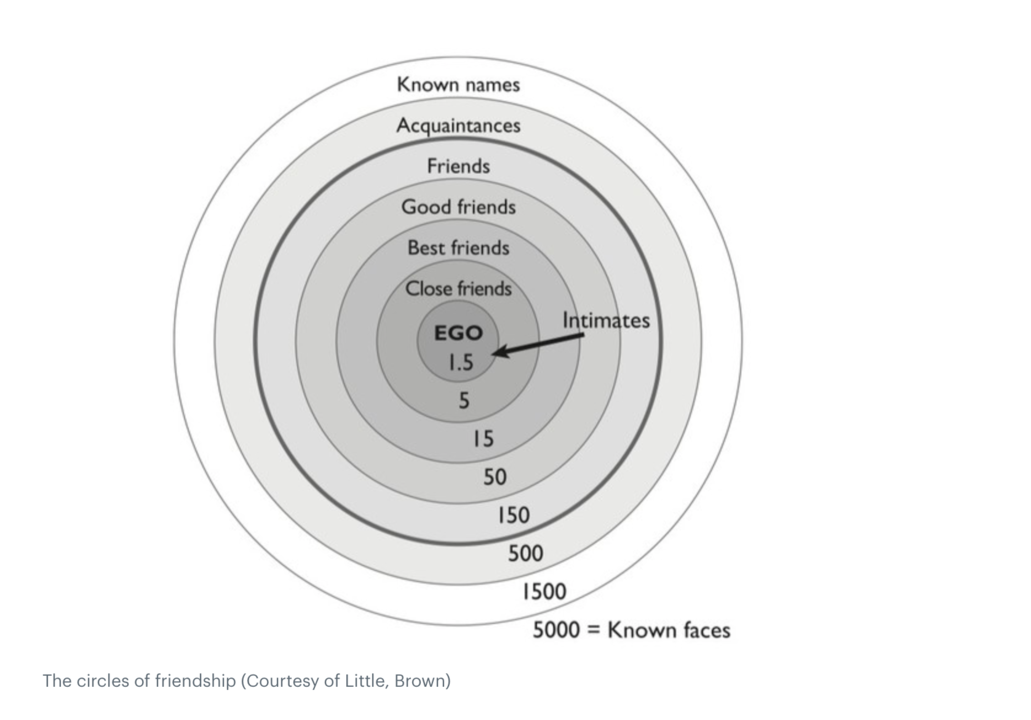
Friendship depth is a product of time and vulnerability with quality based on the availability of support. People with 8/10 trust in others are happiest, in the best health, and have the highest incomes. The Price equation proves that altruistic behavior is good for the population but not necessarily individual. Narcissism (letting status define self worth) is a modern epidemic of the same magnitude as obesity. Understand your personal biases when judging friends, including egocentric anchoring where we assume others think and act too similar to ourselves. White lies are beneficial so we evolved to not perfectly read emotions. Love is an irrational commitment to an individual and will cost you 2 close friends.
“The only thing that really matters in life is your relationships to other people”
- George Valent
“Overall, friendship variables account for about 58% of your happiness”
“If you want to go fast, go alone. If you want to go far, go together”
Key Takeaways
- Friendship = time • vulnerability
- Friendship quality based on availability of support
- 60-200 hrs → friend/best friend status
- Friend: 8:1 ideal positive / negative times
- Trust is generally a good thing:
- People with 8/10 trust in others have highest income
- 7% more likely to be in better health, 6% more likely to be very happy
- Price equation: altruistic behavior good for whole, not necessarily individual
- Emphasize shared problems/experiences: cooperation > status
- Status defining self worth → narcissism (up 50%, as quick as obesity)
- Egocentric anchoring: assume others think, act too similar to ourselves
- Evolved to not perfectly read emotions: white lies are beneficial
- Love: irrational commitment (idealization drops during marriage)
- Falling in love costs you 2 close friends
Notes
1: Reading, judging, trusting people
- “The only thing that really matters in life is your relationships to other people” - George Valent
- Barnum effect: tendency to accept information even when so vague it’s worthless (eg. astrology)
- Can read subtle facial / emotional cues
- Egocentric anchoring: assume others think, act too similar to ourselves
- Bringing people in front of friends, different experiences can be more telling
- Memory is imperfect, malleable
- First impressions are incredibly important
- Bias against noticing our biases
- Confirmation bias is most dangerous
- Tips to beat first impression bias:
- Take your time before judgement
- Distance yourself, perspective
- Actively seek opposing evidence
- Get to know your biases better
- Make a good first impression
- Give people a second chance
- To detect lies: be nice, don’t accuse, allow them to guide narrative, ask unexpected questions (eg. age vs DOB at bar)
- Evolved to not perfectly read emotions: white lies are beneficial
- Trust is generally a good thing:
- People with 8/10 trust in others have highest income, with more trust better than less trust
- 7% more likely to be in better health, 6% more likely to be very happy
2: Friendship
- “Overall, friendship variables account for about 58% of your happiness”
- Friendships don’t have an institution (like spouse, family, coworkers), so hard to keep
- Price equation: group selection means altruistic behavior can evolve as good for population, not necessarily individual
- Friends are an extension of self
- Dale Carnegie’s advice mostly true, but more social manipulation than friendship
- How to show value of friendship: time (valuable resource), vulnerability
- Time: rituals eg. call every two weeks
- 60-200 hrs → friend/best friend status
- Questions for Friends in 45 mins:
 Barking Up The Wrong TreeArthur Aron's Intimacy-Building Questions
 - Cures for narcissism / bad people: Emphasize similarity, vulnerability
- Narcissism is 45-80% genetic
- Friendship quality based on availability of support
3: Love
- Love is innate and universal
- Marriage → either significantly happier or worse off (in case of divorce) vs single
- Marriage now more about love than network
- Falling in love costs you 2 close friends
- Love: irrational commitment
- Partner idealization drops during marriage
- 4 horsemen of divorce (predicts 83%):
- Criticism: attack on character
- Stonewall: tune out issue
- Defensiveness: deny responsibility etc.
- Contempt: feelings of superiority
- Friend: 8:1 ideal positive / negative times
- Love, positive sentiment override (PSO):
- Rekindle: grow together, new things
- Remind: go deeper, curiosity
- Ritual: shared identity, weird things
- Renew: support “ideal them”
- Rewrite: relationship story
4: Social isolation
- 1920: 1% lived alone, now: 14%
- 25% of people in US feel lonely
- Loneliness: no meaningful connections
- Usually trade off between goal-oriented, successful people and being likable
- Status defining self worth → narcissism
- Narcissism up 50%, as quick as obesity
- Paradoxical relationship:
- Caring can heal you - placebo effect
- Shared problem → belonging, unity
Conclusion
- “A sense of belonging enhances meaning in life”
- Meaning of life: belonging
- “If you want to go fast, go alone. If you want to go far, go together”